
Precision RC Motors Built Through Engineering, Not Mass Production
High-performance electric motors designed through experimentation, measurement, and real-world testing. Optimized winding configurations deliver predictable torque, efficiency, and control for competitive RC applications.
See all models
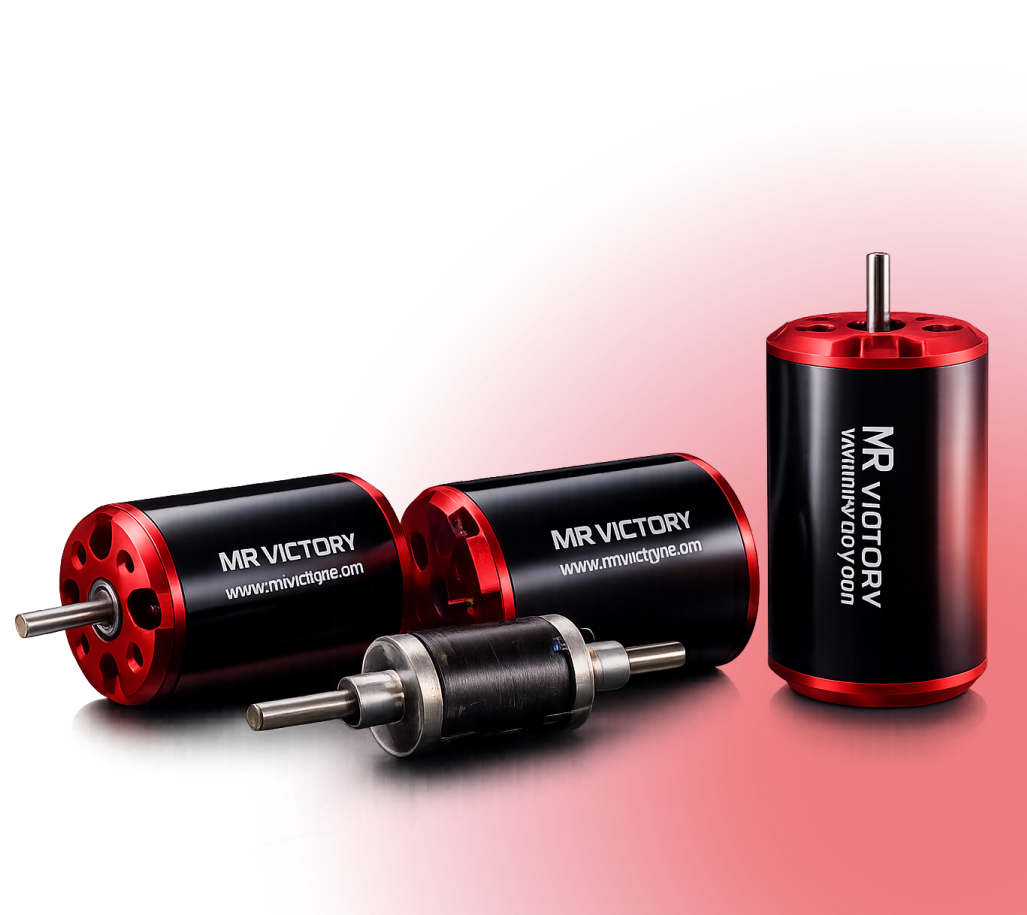
VALUE STATEMENT
Unlike mass-produced motors built for universal specifications, MR Victory motors are developed with a focus on real operating behavior — thermal stability, response curve, and usable power delivery across the RPM range.
The result is a motor that feels consistent, controllable, and efficient on the track — not just impressive in catalog specs.
Motor Series
MR Victory motors are organized by stator size and winding configuration.
Each size defines the physical power potential, while the number of turns fine-tunes torque, RPM, and driving characteristics.
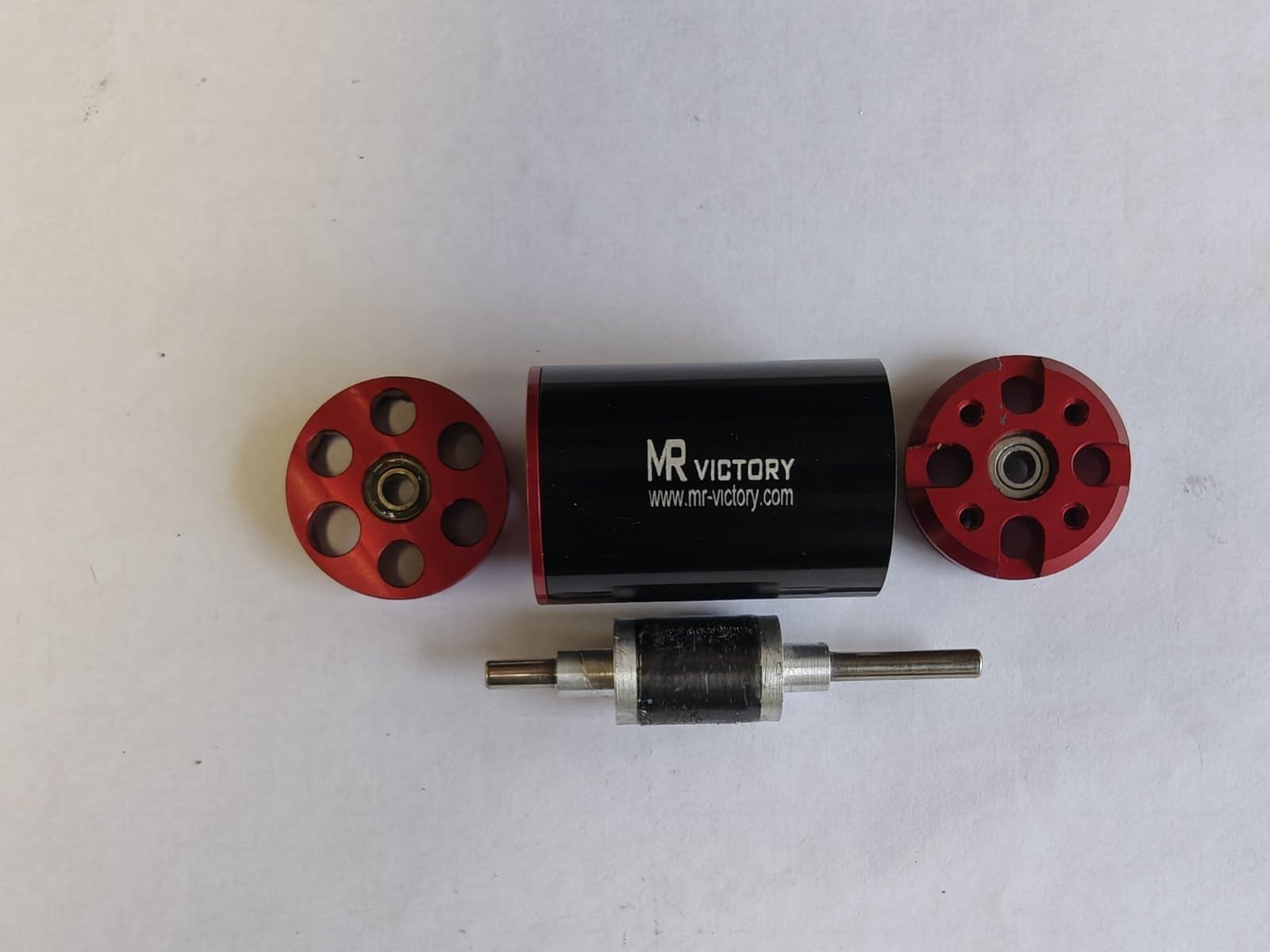
Motor 2915 D Delta wiring — 2950kv
€185
- Motor Turns 20D
- Motor KV 2950kv
- Input Voltage 3S, LiPo 11.4V
- Weight 120g
- Shaft Diameter 4mm
- Shaft Length 15mm
- Motor Length 55mm
- Motor Diameter 29,5mm
- Rotor Magnet Length 15mm
- Rotor Diameter 13,8mm
- ESC working timing 0-15°
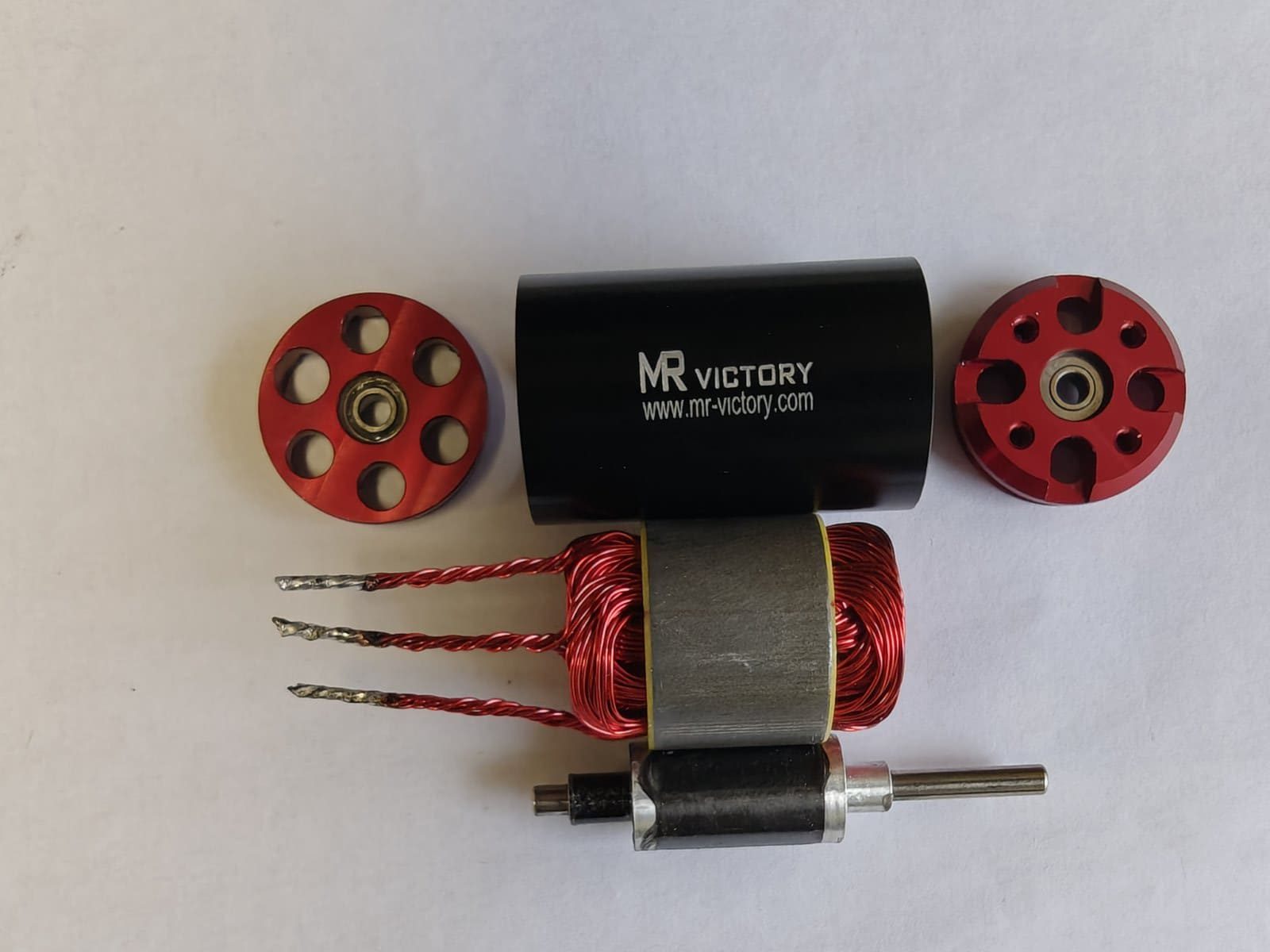
Motor 2915 Y Star wiring — 2700kv
€185
- Motor Turns 12Y
- Motor KV 2700kv
- Input Voltage 3S, LiPo 11.4V
- Weight 120 g
- Shaft Diameter 4mm
- Shaft Length 15mm
- Motor Length 60mm
- Motor Diameter 29.5mm
- Rotor Magnet Length 15mm
- Rotor Diameter 13.8mm
- ESC working timing 0-35°
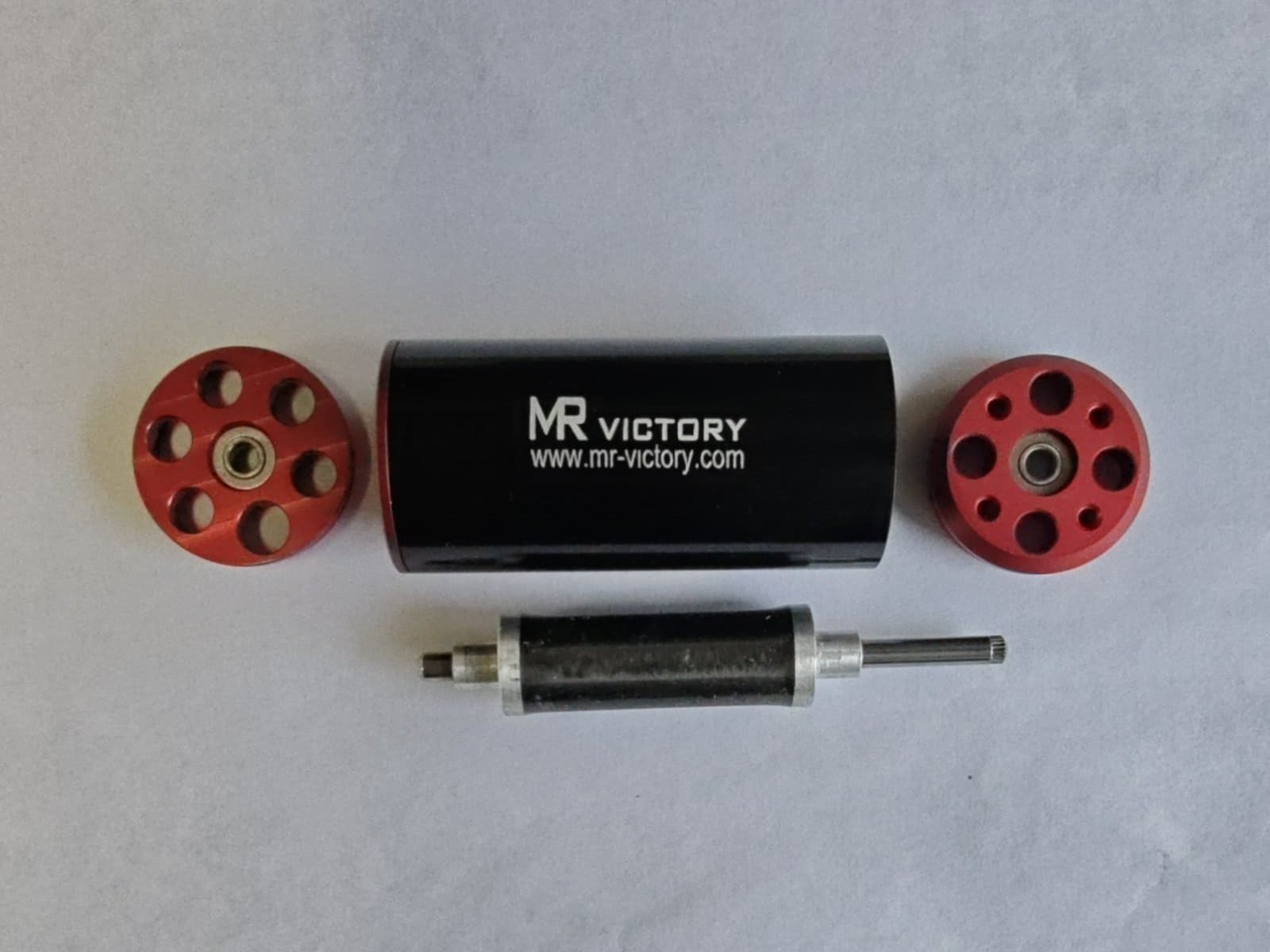
Motor 2935 D Delta wiring — 2980kv
€235
- Motor Turns 8D
- Motor KV 2980
- Input Voltage 3S, LiPo 11.4V
- Weight 170g
- Shaft Diameter 4mm
- Shaft Length 15mm
- Motor Length 68mm
What Makes MR Victory Different

Engineering-first development
Design decisions are based on experimentation, winding optimization, and measured results — not only market segmentation.

Focused production, not mass scaling
Each configuration is created with attention to actual motor behavior instead of fitting into a global catalog structure.

Usable performance instead of theoretical numbers
Torque curve shape, throttle response, and thermal stability are prioritized so the motor feels predictable during real runs.

Continuous refinement
Designs evolve through testing and feedback, allowing improvements beyond fixed production cycles typical for large manufacturers.